Second chances
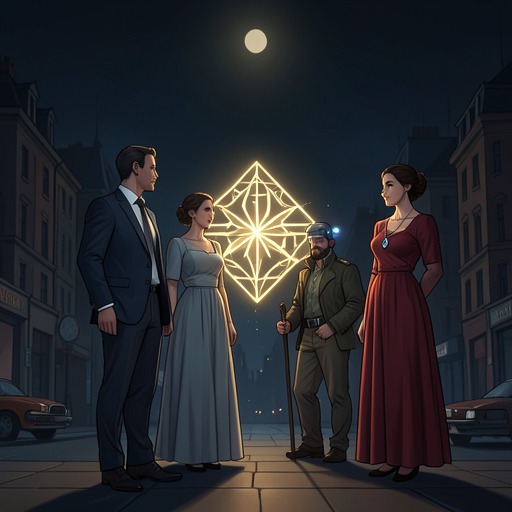
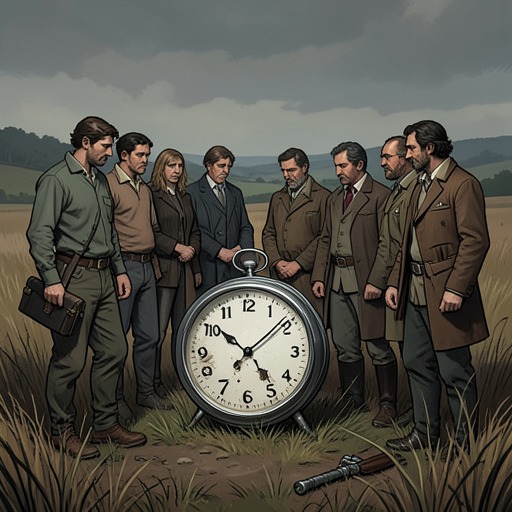
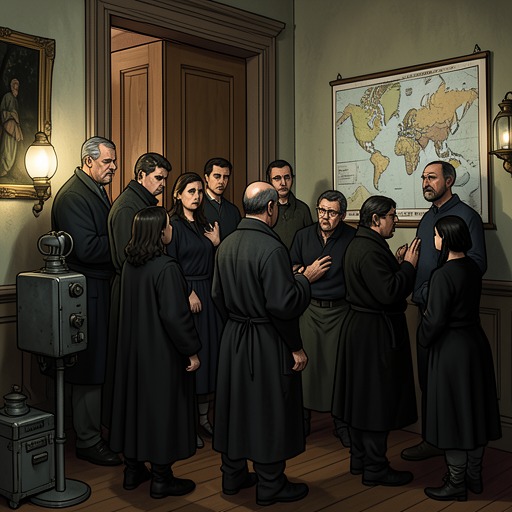
The Night CleanerSecond chances are the fragile opportunity at the heart of the story’s ending: time is reversed to a point before the catastrophe, giving the survivors a life before the trouble began without erasing what they remember. The reset does not promise forgiveness or guarantee that old relationships will survive. Instead, it places a changed future within reach and makes its value depend on what the characters do with that knowledge.
A Second Chance at Love
The idea first reaches Dorian as a temptation and a moral risk. He is urged to imagine a second chance to love Esme, but the appeal is inseparable from the question of whether she could love him after all he has done. Dorian’s uncertainty matters: returning to the past might restore a possibility, but it cannot make his past actions disappear or dictate Esme’s response. The chance is therefore not a simple reward. It exposes the distance between wanting a different outcome and becoming someone who might deserve one.
That uncertainty follows Dorian into the new timeline. Before seeing Esme, he wonders whether she will remember their relationship or know him only as the doctor he had been before. He looks ahead to futures in which she remembers him, forgets him, hates him, or forgives him. The range of possibilities keeps reunion from being treated as automatic; even with time changed, the emotional outcome remains unsettled until they meet.
The Reset and Its Conditions
The second chance is made possible when Asher, with Dorian and Draco’s help, breaks into time and reverses it to a moment when everyone is alive and the trouble has not yet begun. The reversal carries an uneven distribution of memory: people without gifts remember nothing, while among those with gifts, some remember and some do not. There is no duplicate Dorian in the restored period; his present self and his earlier body have merged. The new beginning thus changes the timeline without giving every person the same knowledge of what was lost or what might recur.
The return places the group in Seahill one year before Dorian left the city in chaos. The restored world is not presented as an untouched parallel life but as a past with the possibility of a different course. Phillip invites Dorian to join the Hero Society in its effort to become better, while making clear that the invitation can remain open rather than demanding an immediate answer. A second chance creates an opening for changed conduct; it does not force reconciliation or instant belonging.
Choosing What to Give Up
For Dorian, beginning again also requires choosing what he will no longer pursue. He agrees to give up immortality, which he regards as a burden, and does not want to outlive Esme. The choice makes the opportunity more than a return to romantic hope: it involves accepting mortality instead of extending his life at any cost. His desire to find Esme is still shadowed by fear about how she will see him, so the sacrifice does not erase accountability or uncertainty.
The restored timeline offers concrete paths toward reunion. Esme is working at the hospital, Rose is at her apartment, and Echo is driving to her own apartment. Dorian wastes no time before setting out to look for Esme. These destinations give the abstract idea of a new beginning immediate human stakes: the survivors are not merely returned to an earlier date but directed toward the people whose lives they hope to meet again.
A Shared New Beginning
Phillip frames the reset as a collective responsibility. He says the group has a second chance to start fresh, learn from mistakes, and become the heroes they were originally meant to be. Dorian’s inclusion is significant: Phillip describes him as having abandoned his villainous ways and as the hero who saved them all, then invites him into the group’s future. The invitation does not erase Dorian’s history; it makes change, forgiveness, and cooperation part of the work ahead.
The others accept the prospect of a do-over as an opportunity they must make the best of, not a guarantee that events will resolve themselves. The ending gives that commitment a visible shape: Draco draws Rose into his arms, while Leon holds Lilith close; Dorian takes Esme’s hand as the sun rises. The new dawn echoes the reset itself, but the image’s force comes from the people standing together and the choices still before them. Second chances are rare precisely because time alone cannot make them meaningful; the survivors must use the life returned to them to build a future different from the one they remember.